Hybrid vs. Plug-in Hybrid vs. Electric: Which Is Right for You?
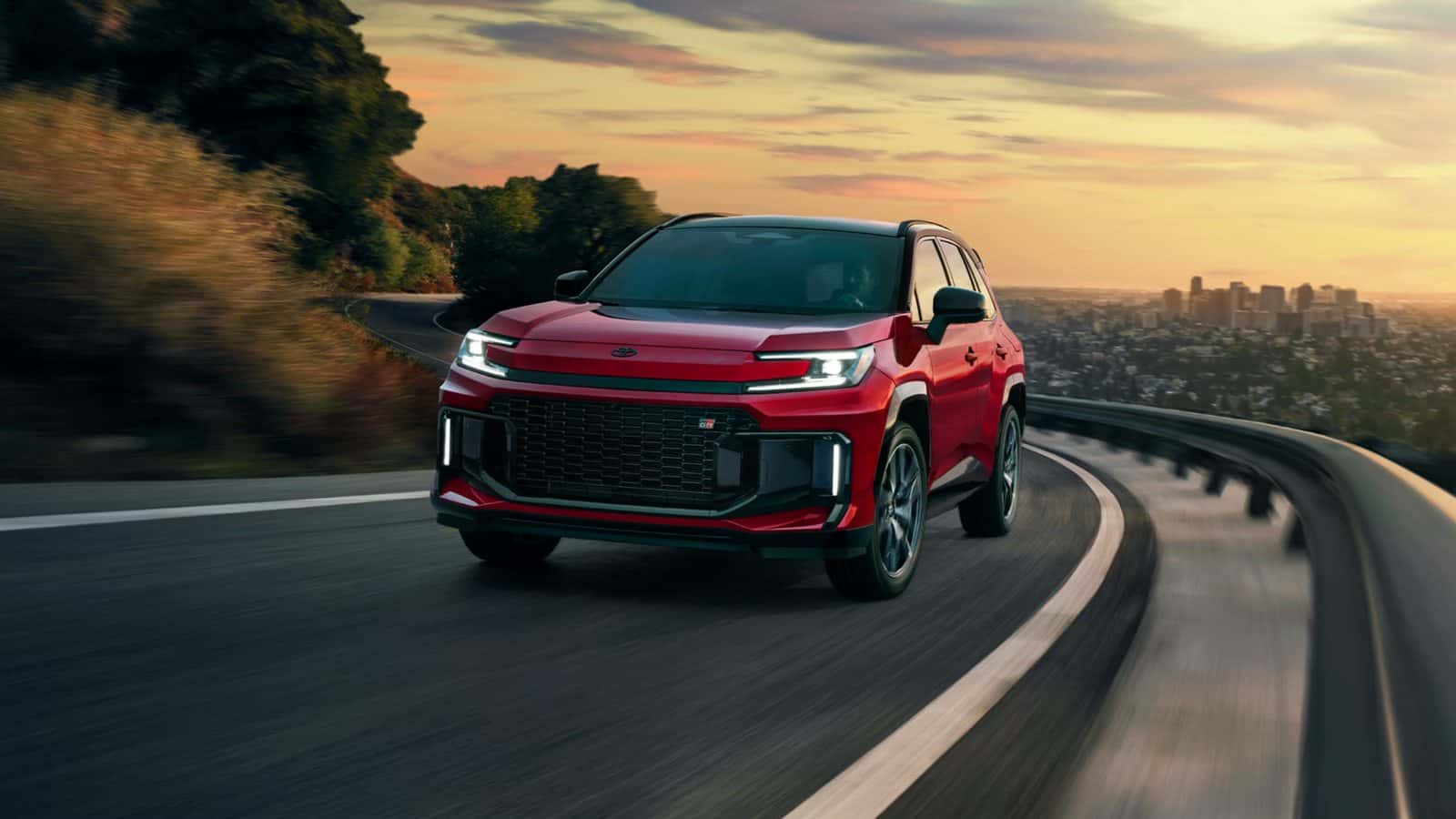
Hybrid, plug-in hybrid or fully electric? All three save fuel compared to a gas-only vehicle. They differ in how much you plug in, how far you can go on electricity, and what fits your driveway and your daily drive. This guide explains each type in plain terms. It then points you to the hybrid, plug-in hybrid and electric models you can test-drive at Oxmoor Auto Group stores in Louisville and Lexington.
Hybrid vs. plug-in hybrid vs. electric at a glance
| Hybrid (HEV) | Plug-in Hybrid (PHEV) | Battery Electric (BEV) | |
|---|---|---|---|
| How it’s powered | Gas engine plus an electric motor and a small battery. The car switches between them, or uses both, on its own. | Gas engine plus a bigger battery and electric motor. Drives on electricity first, then runs like a regular hybrid. | Battery and electric motor(s) only. No gas engine, no oil changes. |
| Charging needed? | No. It recharges itself through braking and the engine. You fill up with gas like any car. | Optional but recommended. Plug in at home or in public to get the electric miles; gas is the backup. | Yes. You charge at home, at work or at public chargers, including DC fast chargers on road trips. |
| Typical electric range | Short, low-speed stretches only. Not designed for long electric-only driving. | About 26 to 52 miles on a full charge for current models (for example, Mazda CX-90 PHEV 26 miles, Toyota RAV4 Plug-in Hybrid SE 52 miles). | About 220 to 395 miles on a full charge for current models (for example, Toyota bZ up to 314 miles, Audi A6 e-tron up to 395 miles). |
| Best for | Drivers who want better mpg with zero change to their routine, including apartment and condo owners with no place to plug in. | Drivers with short daily commutes and a place to plug in, who still want gas for long trips. | Drivers who can charge at home or work and want the lowest routine running cost and a quiet, quick drive. |
Benefits of each type
Hybrid (HEV)
- Better fuel economy than a gas-only version, with no change to how you drive or fuel up.
- No charger, no cords and no Kentucky plug-in ownership fee.
- Smooth, quiet starts in stop-and-go traffic on I-64, I-264 or New Circle Road.
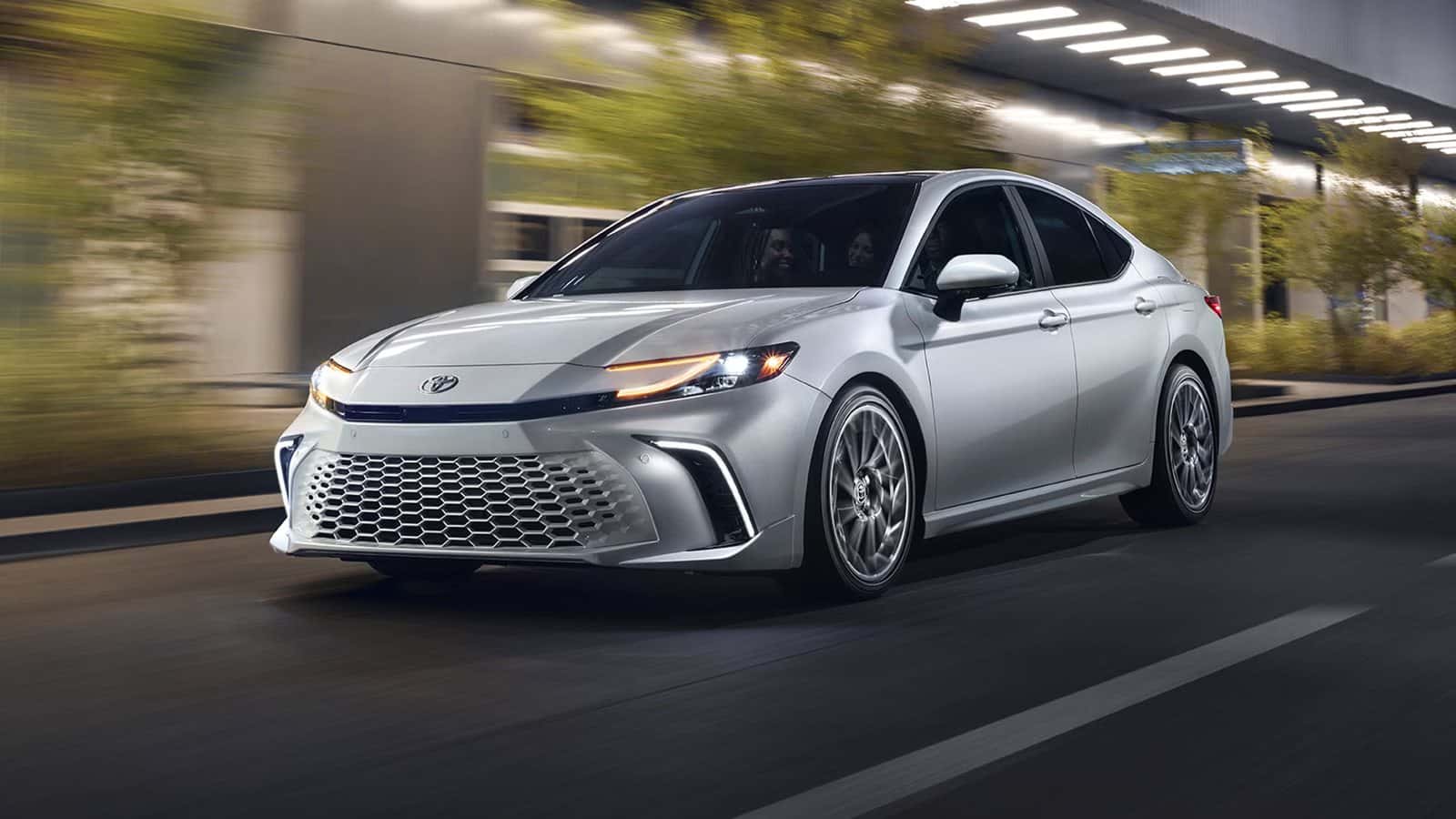
- Comes in sedans, SUVs, minivans and trucks. Some models, like the 2027 Toyota Camry, are hybrid-only.
Plug-in Hybrid (PHEV)
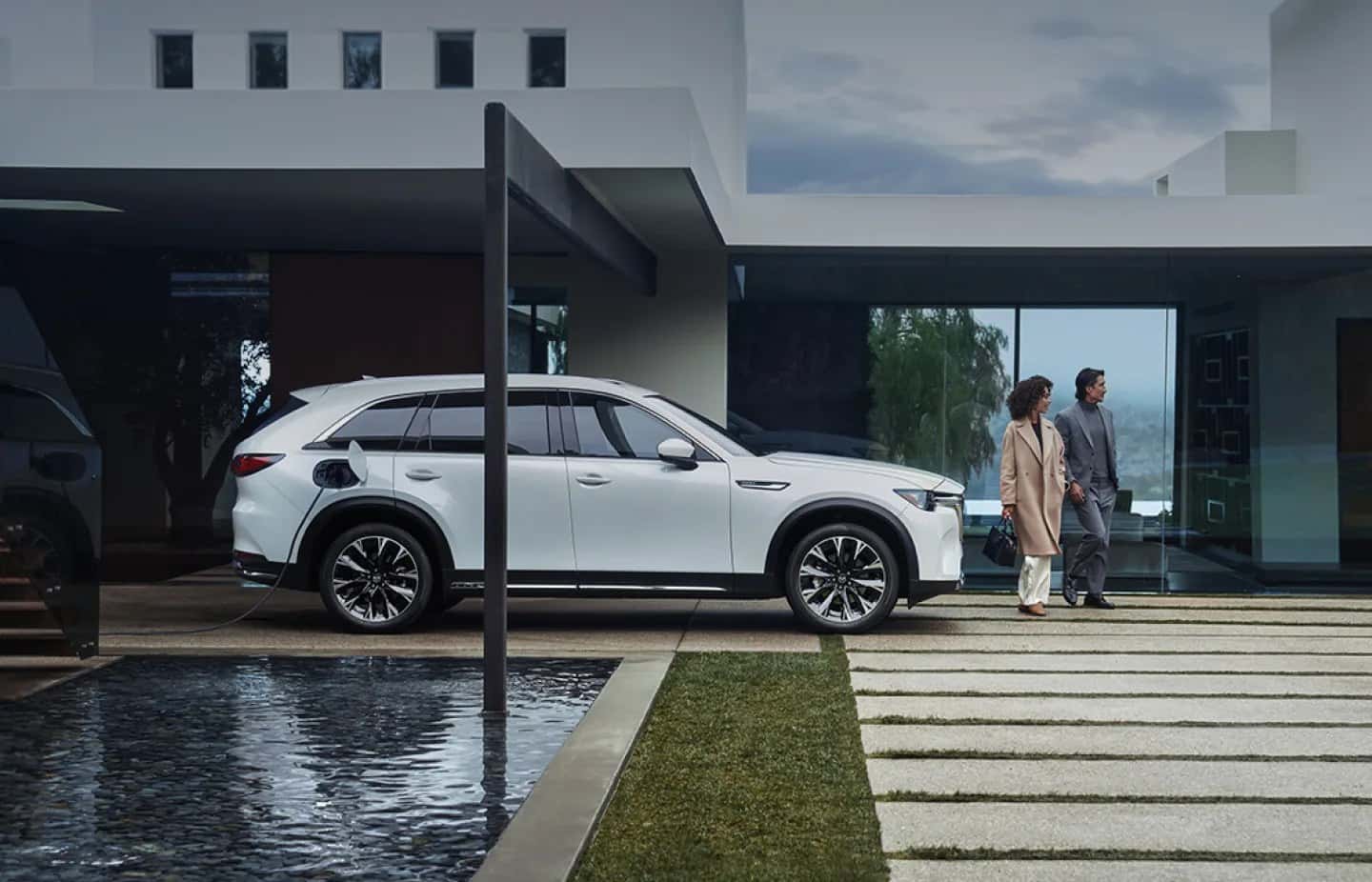
- Many daily commutes can be done on electricity alone. Current models offer about 26 to 52 electric miles.
- The gas engine takes over automatically on long trips, so you never worry about range.
- A regular outlet is often enough to recharge overnight.
- Good for one-vehicle households that want electric driving now without giving up road trips.

Electric (BEV)
- No gas and no engine oil changes, and routine maintenance may cost less.
- Instant torque and a quiet, smooth ride.
- Charge at home and start most mornings with a full battery.
- Many current models have a NACS port or adapter for access to more public fast chargers. Check the specific model.
Which one fits me?
| If you… | Consider | Why |
|---|---|---|
| Can’t charge at home (apartment, street parking) | Hybrid (HEV) | You get better mpg with no charging needed. |
| Drive under about 30 to 40 miles a day and can plug in at night | Plug-in hybrid (PHEV) or electric (BEV) | A PHEV can cover many of those days on electricity. A BEV covers them easily, with plenty of range left over. |
| Take frequent road trips to Nashville, Cincinnati or the Smokies | Hybrid or plug-in hybrid | Gas stations are everywhere, and you can refuel in minutes. An electric vehicle works too if you plan DC fast-charging stops. |
| Can install a Level 2 charger at home | Electric (BEV) | Home charging is the easiest way to own an electric vehicle. |
| Tow a boat or camper | Hybrid truck or SUV | Models like the Toyota Tundra i-FORCE MAX and Ford F-150 PowerBoost pair hybrid power with towing. Check the tow rating for the exact configuration. |
| Need three rows | Any of the three | Options include the Toyota Grand Highlander Hybrid, Kia Telluride Hybrid, Mazda CX-90 Plug-in Hybrid, Hyundai IONIQ 9 and Kia EV9. |
Charging in Louisville and Lexington
Home charging comes first. Most plug-in owners do most of their charging at home overnight. LG&E and KU list three charging levels: Level 1 (a regular 120V outlet, about 6 to 24 hours for a full charge), Level 2 (240V, like a dryer outlet or a hardwired charger, about 2 to 12 hours) and DC fast charging (public only, about 15 to 90 minutes). A plug-in hybrid’s smaller battery usually fills overnight on a regular outlet. An all-electric vehicle usually works best with a Level 2 charger installed by a licensed electrician.
Time-of-day electric rates. LG&E (Louisville) and KU (Lexington) offer residential Time-of-Day rates that charge less for power used off-peak. If you charge overnight, ask the utility whether one fits your household. See LG&E and KU Time-of-Day rates.
Public charging in Louisville and Lexington. LG&E and KU run public Level 2 stations in both cities. They also run DC fast chargers, including one at the Norton Healthcare Sports & Learning Center in Louisville. Kentucky’s statewide map shows fast-charging locations and planned routes. LG&E and KU public charger locations · Kentucky EV charging map
Kentucky fees to know. Kentucky charges an annual ownership fee on plug-in vehicles, both all-electric and plug-in hybrid, at registration and each renewal. Regular hybrids that don’t plug in don’t pay it. Charging stations installed since July 1, 2022 also include a 3-cent-per-kWh state tax in their price. Kentucky Transportation Cabinet: EV ownership fee
Federal tax credits have ended. The federal new clean vehicle credit and used clean vehicle credit are not available for vehicles bought after September 30, 2025, according to the IRS. IRS: Clean vehicle tax credits. Manufacturer offers and local programs change often, so ask our team about current incentives before you buy.
Find a hybrid, plug-in hybrid or electric model by brand
Every model below is in the current 2026 or 2027 lineup from the manufacturer. Inventory changes daily, so tap a store link to see what is on the lot now.

Hyundai IONIQ 5
Electric (BEV) Up to 318 miles EPA-estimated. IONIQ 5 at Oxmoor Hyundai
Kia Sportage Plug-in Hybrid
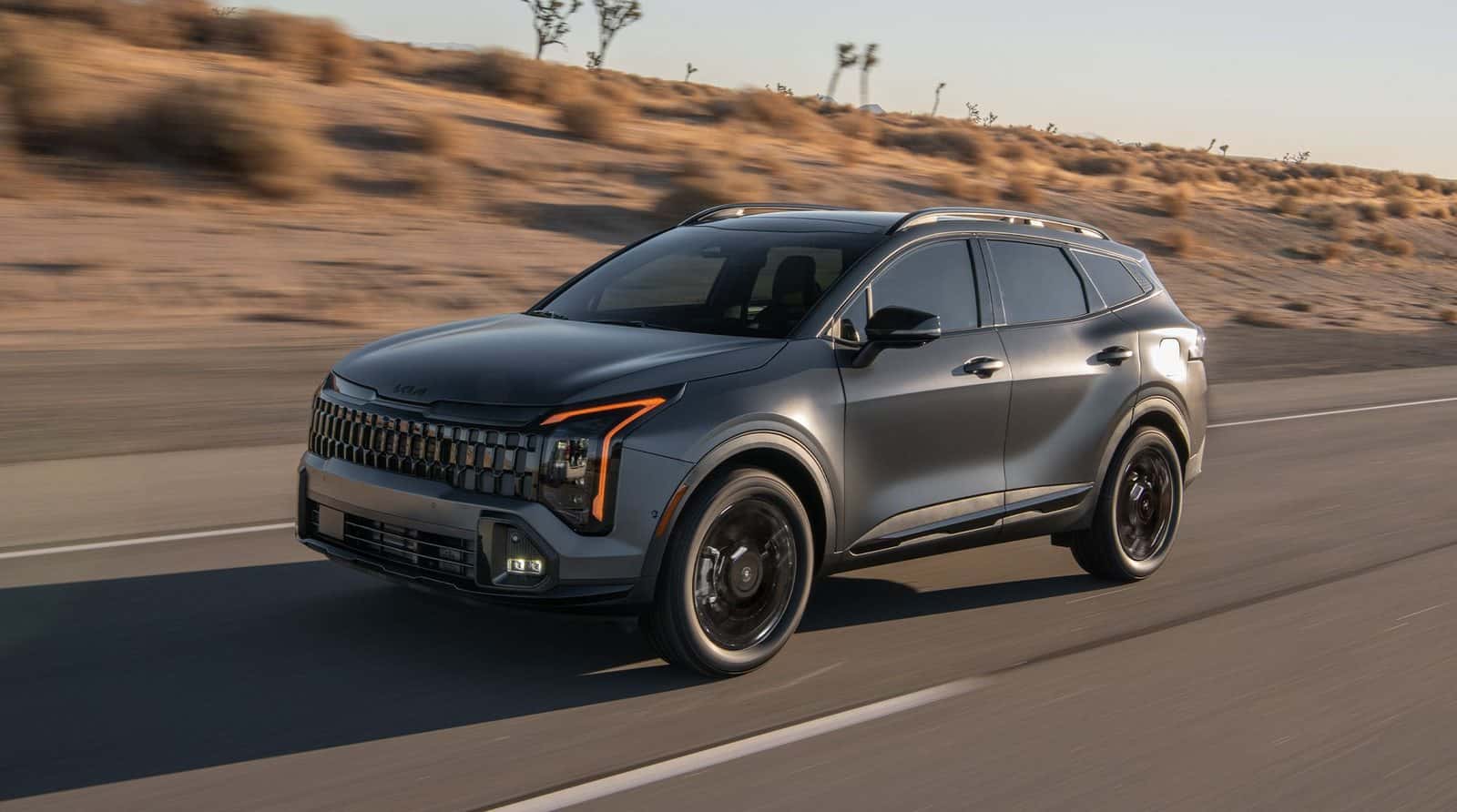
Plug-in Hybrid (PHEV) 33-mile EPA-estimated electric range. Sportage Plug-in Hybrid at Kia of Lexington

Ford Mustang Mach-E
Electric (BEV) Up to 320 miles EPA-estimated. Mustang Mach-E at Oxmoor Ford

Mazda CX-50 Hybrid
Hybrid (HEV) 38 mpg combined EPA-estimated. CX-50 Hybrid at Oxmoor Mazda
Toyota at Oxmoor Toyota, Louisville
- Hybrid (HEV) Camry, Corolla Hybrid, Corolla Cross Hybrid, Prius, RAV4, Crown, Crown Signia, Highlander Hybrid, Grand Highlander Hybrid, Sienna, Sequoia, Land Cruiser, plus available i-FORCE MAX hybrid on Tundra, Tacoma and 4Runner. Hybrid models at Oxmoor Toyota
- Plug-in Hybrid (PHEV) RAV4 Plug-in Hybrid (52-mile manufacturer-estimated electric range on SE) and Prius Plug-in Hybrid (44-mile EPA-estimated electric range on SE). Plug-in hybrid models at Oxmoor Toyota
- Electric (BEV) bZ (up to 314 miles EPA-estimated), bZ Woodland (281 miles) and C-HR (287 miles on SE). Electric models at Oxmoor Toyota
Hyundai at Oxmoor Hyundai, Louisville
- Hybrid (HEV) Elantra Hybrid, Sonata Hybrid, Tucson Hybrid, Santa Fe Hybrid and Palisade Hybrid. Hybrid models at Oxmoor Hyundai
- Plug-in Hybrid (PHEV) Tucson Plug-in Hybrid (32-mile EPA-estimated electric range). Tucson Plug-in Hybrid at Oxmoor Hyundai
- Electric (BEV) IONIQ 5 (up to 318 miles), IONIQ 6, IONIQ 9 (up to 335 miles) and Kona Electric. Electric models at Oxmoor Hyundai
Kia at Kia of Lexington, Lexington
- Hybrid (HEV) Niro Hybrid, Sportage Hybrid, Sorento Hybrid, Carnival Hybrid and Telluride Hybrid. Hybrid models at Kia of Lexington
- Plug-in Hybrid (PHEV) Sportage Plug-in Hybrid (33-mile EPA-estimated electric range) and Sorento Plug-in Hybrid (30 miles). Plug-in hybrid models at Kia of Lexington
- Electric (BEV) EV3 (up to 321 miles), EV6 (up to 319 miles), EV9 (up to 305 miles) and Niro EV (253 miles). Electric models at Kia of Lexington
Ford at Oxmoor Ford, Louisville
- Hybrid (HEV) Maverick with the available 2.5L full hybrid, and F-150 with the available PowerBoost full hybrid V6. Maverick Hybrid at Oxmoor Ford
- Electric (BEV) Mustang Mach-E (up to 320 miles EPA-estimated) and the E-Transit commercial van. Mustang Mach-E at Oxmoor Ford
Mazda at Oxmoor Mazda, Louisville
- Hybrid (HEV) CX-50 Hybrid (38 mpg combined EPA-estimated, standard AWD). CX-50 Hybrid at Oxmoor Mazda
- Plug-in Hybrid (PHEV) CX-90 Plug-in Hybrid (26-mile all-electric range). CX-90 Plug-in Hybrid at Oxmoor Mazda
Jeep and Dodge at Oxmoor Chrysler Dodge Jeep Ram, Louisville
- Hybrid (HEV) Jeep Cherokee Turbo Hybrid (up to 37 mpg combined, no plug needed). Jeep Cherokee Hybrid at Oxmoor Chrysler Dodge Jeep Ram
- Electric (BEV) Jeep Wagoneer S (up to 294 miles) and Dodge Charger Daytona. Jeep Wagoneer S at Oxmoor Chrysler Dodge Jeep Ram
Genesis at Genesis of Louisville, Louisville
- Electric (BEV) GV60 (up to 306 miles EPA-estimated), Electrified GV70 and Electrified G80. GV60 at Genesis of Louisville
Audi at Audi Lexington, Lexington
- Electric (BEV) Q4 e-tron (up to 288 miles EPA-estimated), Q6 e-tron (up to 325 miles), A6 e-tron (up to 395 miles) and e-tron GT. Q6 e-tron at Audi Lexington
Frequently asked questions
What is the difference between a hybrid, a plug-in hybrid and an electric car?
A hybrid (HEV) pairs a gas engine with an electric motor and charges itself, so you never plug it in. A plug-in hybrid (PHEV) has a bigger battery you charge from an outlet for roughly 26 to 52 miles of electric driving on current models, then it runs like a regular hybrid. A battery electric vehicle (BEV) has no gas engine and runs only on electricity you charge into it, with current models rated at about 220 to 395 miles per charge.
Do I have to plug in a hybrid?
No. A regular hybrid like a Toyota Camry, Hyundai Tucson Hybrid or Kia Sportage Hybrid recharges its own battery while you drive and brake. You fuel it with gas like any other car.
What happens when a plug-in hybrid's battery runs out?
It keeps driving as a regular hybrid using the gas engine, so you are never stranded. Plug it back in to get your electric miles back.
Can I charge an electric car on a regular outlet?
Yes. A standard 120V outlet (Level 1) works but is slow: LG&E and KU estimate 6 to 24 hours for a full charge. Most electric-vehicle owners add a 240V Level 2 charger at home, which LG&E and KU estimate at 2 to 12 hours for a full charge.
Is there still a federal tax credit for electric vehicles?
No. The IRS says the federal new and used clean vehicle credits are not available for vehicles acquired after September 30, 2025, and the federal home charger credit does not apply to equipment placed in service after June 30, 2026. Ask our team about current manufacturer incentives.
Does Kentucky charge a fee for electric vehicles?
Yes. Kentucky charges an annual ownership fee on plug-in vehicles, both all-electric and plug-in hybrid, at registration and each renewal. Regular hybrids that don’t plug in don’t pay it. Your county clerk’s office can confirm this year’s amount.
Where can I charge in Louisville and Lexington?
LG&E and KU run public Level 2 chargers in both cities, plus DC fast chargers including one at the Norton Healthcare Sports & Learning Center in Louisville. Kentucky’s statewide map at evcharging.ky.gov shows more locations.
Which Oxmoor Auto Group stores sell hybrids and electric vehicles?
Oxmoor Toyota, Oxmoor Hyundai, Oxmoor Ford, Oxmoor Mazda, Oxmoor Chrysler Dodge Jeep Ram and Genesis of Louisville in Louisville, plus Kia of Lexington and Audi Lexington, all carry electrified models. Sales hours are Monday through Saturday, 9am to 7pm, and closed Sunday.
Test-drive all three types
The best way to choose is to drive a hybrid, a plug-in hybrid and an electric model back to back. Our sales teams are available Monday through Saturday, 9am to 7pm, and are closed Sunday. Visit Oxmoor Auto Group to find a store near you.
Ranges and mpg figures are EPA estimates from fueleconomy.gov or manufacturer estimates published on each brand’s website for 2026 and 2027 models. Actual results vary. Model availability varies by store. Images are for illustration.
Ready to compare them in person?
Talk to a product specialist at the Oxmoor Auto Group store that carries the model you want.
Oxmoor Toyota: (502) 426-1200
Oxmoor Hyundai: (502) 410-2411
Kia of Lexington: (859) 295-3139